Bayswater Queensway rubbish removal guide for flats
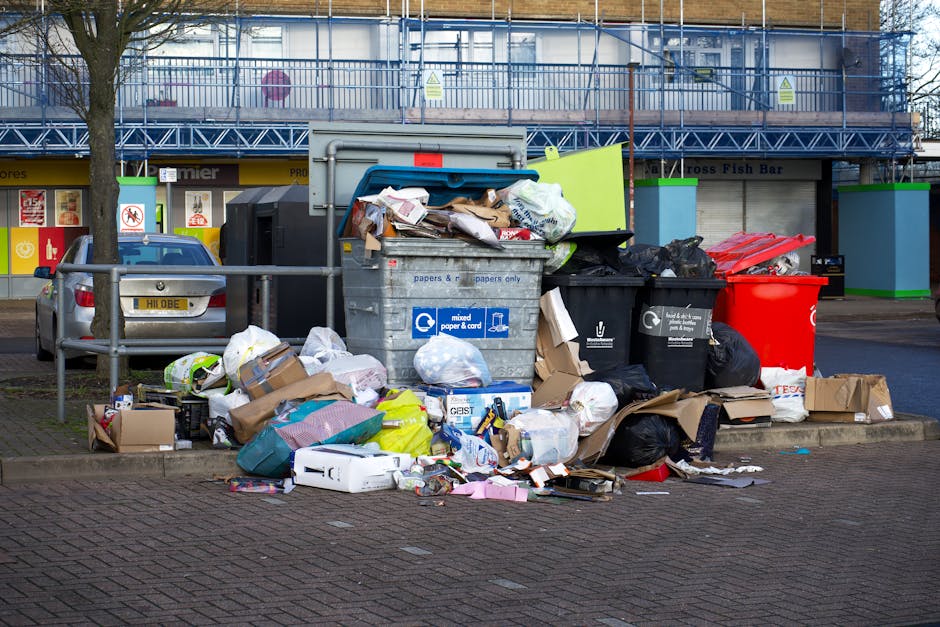
If you live in a flat near Bayswater or Queensway, rubbish removal can feel weirdly complicated for something so ordinary. Hallways are narrow, lifts are busy, neighbours are close by, and one awkward sofa can turn into a full-blown logistics puzzle. This Bayswater Queensway rubbish removal guide for flats is here to make the whole process feel simpler, calmer, and much more manageable.
Whether you are clearing out one bulky item, dealing with a post-refurbishment mess, or emptying a flat before a move, the basics are the same: plan access, separate what can be reused or recycled, avoid getting in the way of residents, and choose a disposal method that actually fits your building. Sounds simple. In practice, not always. But it can be done neatly.
Below, you will find a practical walkthrough of how flat rubbish removal works in this part of London, what to expect, common mistakes to avoid, and how to decide between a full clearance, a one-off collection, or a more targeted service. If you are comparing options, you may also want to look at flat clearance support, general waste removal, or furniture disposal depending on what is actually piling up.
Why Bayswater Queensway rubbish removal guide for flats matters
Flat rubbish removal is not the same as clearing a house. In a shared building, every decision has a knock-on effect. The lift might be shared with older residents, the staircase may already be tight, and building rules may limit when collections can happen. Add parked cars, weekend traffic, and the occasional grumpy neighbour, and yes, timing matters quite a bit.
The Bayswater and Queensway area has a mix of mansion blocks, converted properties, and newer apartment buildings. That means access conditions can vary from one address to the next. A job that takes ten minutes in one block may take an hour in another because of loading restrictions, concierge procedures, or the simple fact that a bulky item will not fit around a corner. The actual rubbish is only part of the story.
That is why a proper guide matters. It helps you avoid the common trap of assuming all waste removal works like a quick bin drop. It usually does not. A good plan protects your time, your neighbours, and the building itself. It also reduces the chance of damage to walls, lifts, and stair rails - those small scuffs that seem harmless until someone notices them. To be fair, nobody wants to explain a dented banister over a broken wardrobe.
There is also a cost angle. The better prepared you are, the less likely you are to pay for unnecessary delays or extra handling. Sorting items in advance and knowing what needs specialist disposal can make a real difference. If you want a clearer sense of what service types exist, the pages for home clearance and house clearance can help you understand the difference between a small flat job and a wider property clearance.
How Bayswater Queensway rubbish removal guide for flats works
In most flats, rubbish removal starts with access and volume. First, someone assesses what needs to go: a few bags, one sofa, an old mattress, a broken fridge, builders' rubble, or a full room clear-out. Then the practical questions follow. Can items be taken through the lift? Is there a service entrance? Does the building require advance notice? Can the collection vehicle stop nearby without causing a fuss? These details matter more than people expect.
A typical flat rubbish removal process usually looks like this:
- Identify the waste type. General rubbish, bulky furniture, appliances, mixed household waste, or renovation debris all need slightly different handling.
- Check building access. Stairs, lifts, concierge desks, parking bays, and time restrictions can all affect the plan.
- Separate special items. Fridges, sofas, mattresses, electronics, and anything hazardous may need specific disposal routes.
- Confirm loading and removal. Waste is moved carefully from the flat to the collection vehicle or transfer point.
- Dispose, sort, and recycle where possible. Reusable items may be diverted, while recyclable materials are separated where feasible.
For flats in busy streets around Bayswater and Queensway, the challenge is often not the lifting. It is the juggling. A team may need to work around school runs, resident parking, one-way roads, or a building manager who quite reasonably wants the communal area kept tidy. Good removal is organised removal.
If your waste includes awkward or heavy items, it can help to compare a general collection with a more specific service. For example, an old sofa may be better handled through mattress and sofa disposal, while a broken appliance may fit better with fridge and appliance removal. That little distinction saves time and reduces confusion.
Key benefits and practical advantages
When flat rubbish removal is handled properly, the benefits are practical rather than dramatic. Which is probably a good thing. You get a cleaner space, less stress, and fewer awkward interactions in communal areas. Sometimes the best service is the one you barely have to think about.
- Less disruption for neighbours. A careful, well-timed collection keeps hallways and lifts clear for everyone.
- Faster turnaround. A clear plan means less waiting around and fewer surprises on the day.
- Better use of space. Flats can feel cramped quickly; removing clutter makes the whole place easier to live in.
- Safer moving conditions. Fewer trip hazards, fewer blocked exits, and less strain from moving heavy objects alone.
- More responsible disposal. Sorting items properly increases the chance of recycling or reuse rather than straight landfill disposal.
There is also the mental relief, which people often underestimate. A flat with old boxes stacked by the door, a mattress leaning in the bedroom, and random bits of refurbishment debris in the kitchen can make daily life feel cluttered and unfinished. Clear the waste, and the room suddenly breathes. That sounds a bit poetic, but honestly, it is true.
For bigger property projects, you may also want to explore builders waste clearance if the job includes plasterboard, timber offcuts, tiles, or mixed renovation debris. Matching the service to the waste type is half the battle.
Who this is for and when it makes sense
This guide is for anyone dealing with rubbish in a flat or apartment around Bayswater and Queensway. That could mean a tenant moving out, a landlord preparing a unit, a homeowner clearing a spare room, or a managing agent arranging a larger removal after a refurbishment. It also suits people who simply have too much waste for the normal bin cycle. It happens. Life gets busy, and things pile up.
It makes particular sense if:
- you live in a block with tight stairwells or limited lift access;
- you need bulky waste removed without disturbing neighbours too much;
- you have mixed items and do not want to make multiple trips;
- you are dealing with an end-of-tenancy deadline;
- your waste includes items that need specialist handling;
- you want a cleaner, quicker alternative to DIY disposal.
A common scenario is someone clearing a one-bed flat after years of accumulated stuff: a broken desk, a sagging mattress, bags of soft waste, old kitchen bits, and one very stubborn table that refuses to fit down the stairs without a plan. Another common one is a short renovation where builders leave dust, packaging, and broken materials everywhere. In both cases, a targeted waste removal approach usually works better than improvising.
If your situation includes office-style paperwork or confidential material as well as household waste, then a separate confidential shredding service may be more appropriate for that part of the job. Different waste, different handling. Simple as that.
Step-by-step guidance
Here is a practical way to approach rubbish removal from a flat without losing the afternoon to it.
- Walk through the flat first. Make a quick list of everything that needs to go. Be honest about volume. A single bag somehow becomes six bags if you do not check properly.
- Split items into categories. General waste, furniture, appliances, mattresses, glass, metal, and anything hazardous should not all be treated the same way.
- Measure bulky objects. If you have a sofa, bed base, wardrobe, or fridge, check whether it will fit through doorways, lifts, and stair bends. This saves awkward lifting later.
- Check building rules. Some flats require notice for collections, use of service lifts, or protection on communal floors. Do that bit early.
- Clear access routes. Move smaller items away from hallways and door frames so the load-out is smoother and safer.
- Set aside items that need special disposal. Fridges, certain electronics, and potentially hazardous materials should be separated from general rubbish.
- Arrange the collection window. Try to pick a time that avoids peak foot traffic, school run congestion, or building maintenance work.
- Keep payment, access, and contact details ready. Small admin issues can stall an otherwise straightforward job.
A simple but effective tip: take a photo of the items before collection. Not because anyone expects drama, but because it helps everyone agree on the scope. Less back-and-forth. Less faff.
If you are unsure whether a skip is suitable for your block, the page on what can go in a skip is useful for understanding the kinds of items usually accepted and the limits that can apply. Flats are not always ideal skip environments, especially where road space is tight.
Expert tips for better results
Experience teaches you a few things. Most of them are obvious only after the fact.
- Book early if your building is busy. In shared properties, the best time slots go fast, especially around weekends and month-end moves.
- Keep lift protection in mind. If a lift is being used, make sure items are wrapped or handled carefully to avoid scratching the panels.
- Group items by room. That makes loading quicker and helps you see what is actually being removed.
- Use bags that can be lifted safely. Overfilled sacks are awkward, and sometimes they split at the worst moment. Usually on stairs. Of course.
- Separate donations from waste. If a chair, lamp, or side table still has life left, set it aside before the clearance starts.
- Ask about recycling-led disposal. Responsible operators should be able to explain how they handle recyclable and reusable items.
A very small thing that makes a big difference: put a sticky note on items you definitely want removed. Sounds almost silly, but in a flat with several people living together, it avoids confusion. And yes, someone will usually point at the wrong pile unless you mark it.
For bulky furniture, it is worth looking at furniture clearance rather than assuming a general rubbish collection will be enough. The right service often saves time, handling, and money.
Common mistakes to avoid
Most rubbish removal headaches in flats come from a few repeat mistakes. Avoid these and the job becomes a lot smoother.
- Ignoring access restrictions. A collection plan that ignores lift rules or parking realities is a plan for delay.
- Mixing hazardous items with general waste. That is a serious mistake and can create safety issues.
- Leaving sorting until collection day. Last-minute sorting slows everything down and increases the chance of missed items.
- Forgetting about neighbours. Dragging items through shared areas late at night or early in the morning can cause avoidable friction.
- Assuming all furniture is the same. Mattresses, sofas, wardrobes, and appliances often need different disposal handling.
- Underestimating volume. Small piles grow. They always do. Somehow.
Another sneaky mistake is leaving a building manager out of the loop. In some blocks, that is fine. In others, it causes immediate confusion when the collection team arrives and no one has been told about the lift booking or loading bay access. A quick heads-up can save a lot of unnecessary backtracking.
Tools, resources and recommendations
You do not need much to organise flat rubbish removal properly, but a few simple tools help.
- A tape measure. Handy for sofas, bed frames, wardrobes, and appliance widths.
- Heavy-duty bags or boxes. Useful for small items, soft waste, and mixed household rubbish.
- Gloves and basic cleaning supplies. Good for protecting hands and tidying up after sorting.
- Labels or sticky notes. Useful if several people are contributing items.
- Phone camera. Great for recording the waste load and sharing access details.
In terms of service pages, a few resources can help you understand the right fit before you book. If the job is broader than a single pile of waste, flat clearance is often the closest match. If the issue is mainly a mattress or sofa, look at mattress and sofa disposal. If you are dealing with multiple appliance types, fridge and appliance removal is the more targeted route.
There is also a practical value in reading the company's information pages before you decide. The pages for pricing and quotes, payment and security, and recycling and sustainability can give you a better feel for how the service is structured and what happens after collection.
Law, compliance, standards and best practice
Waste removal in the UK is not just about getting rid of items. It also carries a duty of care. In plain English, that means waste should be handled responsibly, transferred to the right place, and managed in a way that reduces risk to people and the environment. You do not need to become a compliance expert to book a clearance, but you should expect the basics to be taken seriously.
For flats, best practice usually includes:
- separating hazardous or specialist items from general rubbish;
- keeping shared areas safe and clear during collection;
- using appropriate handling for bulky or heavy waste;
- avoiding fly-tipping or unauthorised dumping;
- making sure waste goes to a suitable transfer or processing route.
It is also sensible to choose a provider that can explain its safety approach in practical terms. The pages on health and safety policy and insurance and safety are relevant here because they show the kind of operational care you should expect from a professional service. That is not about ticking boxes for the sake of it. It is about protecting your building, your home, and the people moving through it.
There are also items that should never be treated casually. Batteries, chemicals, paint, solvents, and similar materials may need dedicated handling. If in doubt, ask before collection. Better a slightly cautious question than a messy problem on the day.
Options, methods and comparison table
Not every flat clearance needs the same approach. The best option depends on the amount of waste, the type of items, and how awkward the building access is. Here is a simple comparison to help you think it through.
| Method | Best for | Pros | Watch-outs |
|---|---|---|---|
| General waste removal | Mixed household rubbish, bagged waste, small clear-outs | Flexible, quick, easy to tailor | May not suit bulky furniture or specialist items |
| Flat clearance | End-of-tenancy, full-room or whole-flat clearances | Efficient for larger jobs, less stress | Needs clearer planning and access checks |
| Furniture disposal | Sofas, wardrobes, tables, chairs, beds | Good for bulky items, straightforward scope | Some pieces are heavy or awkward in communal spaces |
| Appliance removal | Fridges, freezers, washing machines, dishwashers | Safer for specialist items | Appliances need the right handling and separation |
| Skip hire | Where access and parking are suitable and waste is fairly standard | Useful for ongoing projects | Not always practical for flats or busy streets |
For a lot of Bayswater and Queensway flats, a removal service is simply easier than a skip. Why? Because many buildings do not have spare road space, and residents do not want a skip sitting outside for days. If your project is a small refurb or a room-by-room clear-out, direct collection is often the cleaner choice.
Case study or real-world example
Imagine a two-bedroom flat just off Queensway after a tenancy ends. The property has a broken bed base, a sofa that has seen better days, several bags of unwanted clothes, a chest of drawers, and a fridge that has stopped working. The hallway is narrow, the lift is small, and the building has afternoon traffic from residents coming and going.
In that kind of job, the most sensible approach is to separate the items before anyone arrives. The sofa and bed go into furniture disposal. The fridge is set aside for appliance removal. Soft items are bagged. The route from the flat to the exit is cleared. A quick check is made with the building manager so the collection can happen during a quieter window. Nothing dramatic. Just organised.
The result is usually calmer than people expect. Items leave in one visit, the communal area stays tidy, and the tenant or landlord can move on without a day of lifting and driving around London in circles. Truth be told, that is often the real win: not speed for speed's sake, but avoiding stress. One less thing.
That same process can work for partial clearances too. A flat does not need to be stripped completely for the job to be worthwhile. Removing the biggest frustrations - the broken chair, the old mattress, the stack of unused boxes - can transform the space in an afternoon.
Practical checklist
Use this checklist before collection day. It keeps things sane.
- List every item you want removed.
- Separate furniture, appliances, soft waste, and general rubbish.
- Measure anything bulky or unusually shaped.
- Check lift access, stairs, and door widths.
- Confirm any building rules or timing restrictions.
- Set aside hazardous or specialist items for separate handling.
- Clear hallways, doorways, and shared access routes.
- Keep contact details and access instructions ready.
- Ask about recycling and responsible disposal.
- Take a quick photo of the waste pile for reference.
If you can tick most of that off, you are already ahead of the game. Small preparation goes a long way in a flat.
Conclusion
Rubbish removal in Bayswater and Queensway flats is usually less about brute force and more about thoughtful planning. The buildings are shared, access can be tight, and the wrong approach creates hassle for everyone. The right one feels almost invisible: items are removed, the space is cleared, and life carries on without the usual drama.
If you remember only one thing from this guide, make it this: match the removal method to the flat, the waste type, and the building conditions. That simple habit saves time, reduces stress, and helps the job go smoothly from start to finish. And yes, it really does make a difference.
Get a free quote today and see how much you can save.
When the clutter is gone and the flat feels open again, even the light seems better somehow. That is the nice part.
Frequently Asked Questions
What is the best way to remove rubbish from a flat in Bayswater or Queensway?
The best way depends on what you are removing. For mixed rubbish, a general waste removal service usually works well. For larger jobs, flat clearance is often more efficient. If the waste is mostly furniture or appliances, a targeted service is usually the smarter choice.
Do I need to sort rubbish before a flat clearance?
Yes, if you can. Sorting by type helps the collection go faster and makes it easier to separate recyclable or specialist items. Even a basic split between general waste, furniture, and appliances makes the job smoother.
Can bulky items be removed from a flat with no lift?
Usually yes, but access needs to be checked in advance. Stair width, bends, communal space, and the size of the item all matter. A wardrobe or sofa may need careful planning to avoid damage to walls or railings.
Is skip hire a good option for flats in Queensway?
Sometimes, but not always. In many flat buildings, road space is limited and skip placement can be awkward or impractical. A direct collection service is often easier for apartment blocks, especially on busy streets.
What items need special handling during rubbish removal?
Fridges, freezers, washing machines, mattresses, sofas, and potentially hazardous materials often need separate handling. If you are unsure about an item, ask before booking so it can be dealt with properly.
How do I prepare my flat for rubbish collection?
Clear access routes, group items together, label anything important, and check building rules in advance. If possible, measure large items and separate waste by type. A little preparation saves a surprising amount of time.
What happens to the waste after collection?
That depends on the item and the service used. Good practice is to sort materials where possible, send recyclable items for processing, and ensure waste is handled responsibly rather than dumped.
Can I include old furniture and appliances in the same collection?
Often yes, but they may be treated as separate categories for handling purposes. A sofa, mattress, or fridge can be removed in the same visit if the service is set up for mixed bulky waste.
How much does flat rubbish removal cost?
Costs usually depend on the amount of waste, the type of items, access conditions, and the time needed. It is best to request a quote based on the actual load rather than guessing from photos alone.
Is rubbish removal from flats safe for shared hallways and lifts?
It can be, provided the team works carefully and the access route is planned properly. Protection, good lifting practice, and clear communication all help reduce the chance of damage or disruption.
What if I have a mix of household rubbish and building debris?
That is common after small refurbishments. Mixed loads may need a service that can handle both general waste and light builders' debris. It is worth explaining the full load upfront so the right vehicle and approach can be used.
Who is this guide most useful for?
Tenants, landlords, homeowners, managing agents, and anyone clearing a flat in the Bayswater or Queensway area will find it useful. It is especially helpful if you are dealing with bulky items, access restrictions, or a tight moving deadline.
For more about the company behind these services, you can also read the about us page or use the contact page if you want to ask a question before booking. If you are ready to move ahead, book online is there when you need it.