Avoid hidden rubbish charges in Bayswater insider tips
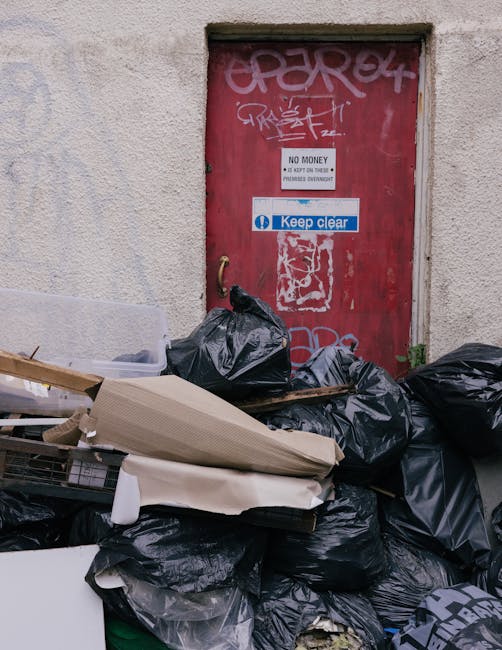
If you have ever booked a rubbish removal job and then spotted a few mysterious extras on the invoice, you are not alone. Hidden rubbish charges can turn a simple clear-out into a costly headache, especially in Bayswater where access, parking, stairs, and flat layouts can all affect the final price. The good news? With the right questions and a little local know-how, you can avoid hidden rubbish charges in Bayswater without making the process feel like detective work.
This guide walks you through how rubbish removal pricing usually works, where surprise fees tend to hide, and what to check before you book. We will keep it practical, plain-English, and grounded in the sort of details that actually matter on the day. You know, the bits people forget when they are rushing to get a broken wardrobe out the door.
Why Avoid hidden rubbish charges in Bayswater insider tips Matters
Bayswater is a busy part of London. That sounds obvious, but it matters more than people think when waste needs to be removed from a flat, a basement, a mews property, or a commercial unit. Tight stairwells, controlled parking zones, loading restrictions, lift access, and short windows for collection can all influence the cost. If a quote is vague, those details often turn into add-ons later.
Hidden charges matter because they change the whole experience. A good price should feel clear from the start. If a company gives you one figure online and another figure on arrival, trust drops quickly. And once a job is underway, most people feel stuck. That is not a great place to be when you are trying to clear a hallway full of old furniture or boxes that have been sitting there far too long.
There is also the simple issue of budgeting. Whether you are clearing out a flat between tenancies, getting rid of renovation waste, or sorting out a garage that has become a small museum of "might need that later", surprise costs can make the project harder to manage. To be fair, not every extra fee is unfair. Some jobs genuinely need more labour or a larger vehicle. The key is whether those costs were explained clearly before anyone lifted a thing.
Expert summary: The cheapest quote is not always the cheapest job. The real saving comes from knowing what is included, what may change the price, and what evidence you should ask for before you say yes.
How Avoid hidden rubbish charges in Bayswater insider tips Works
The practical side is straightforward once you know the moving parts. Most rubbish removal and waste clearance pricing is based on a mix of volume, weight, item type, labour, and access. Some companies offer a fixed quote after a description or photos. Others prefer a load-based or time-based estimate. That is fine, as long as the terms are explained in plain English.
In Bayswater, the most common pricing variables tend to be:
- Volume: how much space your waste takes up in the vehicle.
- Weight: especially relevant for dense materials like rubble, tiles, or soil.
- Item type: bulky furniture, appliances, mattresses, and mixed waste can each be priced differently.
- Access: stairs, narrow hallways, no lift, long carry distances, or difficult parking.
- Time on site: some jobs need more sorting, dismantling, or loading time than expected.
- Special handling: items that need separate disposal routes, careful handling, or extra compliance.
The hidden charge problem usually appears when one of those variables is not discussed early enough. For example, a customer might send a photo of a small pile of waste, but not mention that it is on the fourth floor with no lift and a long walk from the nearest parking spot. Then the crew arrives and suddenly the quote changes. It is not ideal. It happens, though.
A transparent provider should explain how the price may move if the job details change. That includes making it clear whether the quote is fixed, estimated, or subject to inspection on arrival. If the wording feels slippery, ask again. A decent operator will not mind clarifying it twice.
If you are comparing service types, it can also help to check whether the job is better suited to a dedicated clearance service or a broader waste removal option. That small distinction can affect both price and turnaround time.
Key Benefits and Practical Advantages
Keeping charges transparent is not just about saving a few pounds. It makes the whole job smoother from the first message to the final sweep-up. And yes, the final sweep-up matters. Nobody wants a job done halfway.
Here are the main benefits:
- Clear budgeting: you know what you are likely to pay before the team arrives.
- Fewer disputes: fewer awkward conversations on the pavement or in the hallway.
- Better comparison: you can compare like-for-like quotes rather than guessing what is included.
- Faster decision-making: clear pricing helps you book with confidence, not hesitation.
- Less stress: no last-minute panic when the invoice lands.
- More suitable service choice: you can match the job to the right removal method.
There is another upside people often miss: transparent pricing usually signals a more organised business. That does not guarantee perfection, of course, but it often tells you the company has thought through access issues, loading time, disposal routes, and customer communication. In other words, the boring stuff is handled properly. And boring can be brilliant when you are paying for rubbish to disappear.
If your clearance involves a furnished flat or a mixed household load, looking at specialist pages such as flat clearance or house clearance can help you understand what is likely to be included.
Who This Is For and When It Makes Sense
This advice is useful for almost anyone booking waste removal in Bayswater, but it is especially helpful if your job has more than a few loose bags involved. Once there are bulky items, awkward access, or a mixed load, pricing gets more sensitive.
You will benefit most if you are:
- moving out of a flat and need a quick clear-out
- preparing a rental property for new tenants
- clearing an office, shop, or storage area
- dealing with post-renovation debris
- disposing of furniture, appliances, or a mix of household waste
- trying to compare quotes and avoid being caught out later
It also makes sense if you have already had one bad experience. Let's face it, once someone has surprised you with a "small access fee" or a "sorting charge" that was never mentioned, you start reading quotes differently. That is healthy. A little scepticism saves money.
For business premises, the stakes can be higher. Missed timing, restricted loading access, and confidentiality concerns can all affect the final bill. If you are clearing an office, it is worth reviewing a dedicated office clearance service rather than assuming a general rubbish collection will cover everything neatly.
Step-by-Step Guidance
If you want to avoid hidden rubbish charges in Bayswater, use a simple process. It does not need to be complicated, just consistent. The more detail you give up front, the fewer surprises you are likely to face later.
- List exactly what needs removing. Write down the item types and approximate quantities. Include furniture, white goods, mixed bags, building waste, and anything unusual.
- Note the access conditions. Mention stairs, lift access, parking restrictions, permit needs, narrow entrances, or long carry distances. Bayswater properties can vary a lot, even on the same street.
- Take clear photos. A few wide shots help more than one close-up of a single box. Stand back and show the full room or pile if possible.
- Ask whether the quote is fixed or estimated. That one question can save a lot of frustration.
- Confirm what is included. Loading, labour, disposal, recycling, and VAT should all be made clear where relevant.
- Check for access-related extras. Ask about stairs, waiting time, parking, and additional labour if the load is heavier or more awkward than described.
- Get the quote in writing. Email or message confirmation is useful if anything is challenged later.
- Prepare the waste before collection. Bag loose items, separate anything sensitive, and keep the clearance area open.
A tiny bit of prep can save a surprising amount. You do not need to stage the place like a photo shoot, but if the crew can get to the items without playing obstacle course, the job tends to go more smoothly. Funny how that works.
If your load includes bulky household pieces, it may help to review the relevant service pages for furniture clearance or mattress and sofa disposal so you can ask more precise questions before booking.
Expert Tips for Better Results
After you have done enough waste clearances, certain patterns become obvious. The jobs that go well usually have one thing in common: everyone knows the plan. The customer knows the access. The removal team knows the load. Nobody is guessing.
Here are a few insider tips that genuinely help:
- Send the awkward details first. If there is no lift, say so immediately. If parking is a nightmare, say that too. Do not bury the detail in message number four.
- Ask what triggers a price change. The answer should be specific. "If the waste is much more than described" is fair. "If it looks different on the day" is too vague.
- Be careful with mixed waste. A pile that includes wood, plasterboard, metal, and general rubbish may need separate handling depending on the job.
- Look for recycling language. A company that explains how it sorts materials is often more transparent overall.
- Check whether dismantling is included. Wardrobes, bed frames, and office desks often need to be broken down before removal.
- Keep the site tidy before collection. It sounds obvious, but clear floor space reduces labour time and confusion.
One small human detail worth mentioning: a five-minute call can sometimes save more than a long thread of messages. You hear the tone, ask the awkward question, and get a straight answer. Simple. Slightly old-fashioned, maybe, but it works.
For more complicated items, such as broken appliances or items with specific disposal needs, check whether the provider offers fridge and appliance removal or hazardous waste disposal. Those jobs should never be treated as a generic grab-and-go.
Common Mistakes to Avoid
Most hidden charges are avoidable. They usually appear because one detail was assumed rather than confirmed. Here are the big mistakes people make, especially when they are trying to get the job booked quickly.
- Describing the job too vaguely. "A few bits and pieces" means different things to different people.
- Forgetting access issues. The staircase, the lift, the parking bay, the long walk from the van - all of it matters.
- Not asking about minimum charges. Some providers have a minimum load fee. That is not automatically bad, but you should know about it.
- Assuming all waste is priced the same. Dense building waste and a few cardboard boxes are not the same job.
- Skipping written confirmation. A clear message trail is worth having, even for smaller jobs.
- Ignoring timing constraints. If you need the work done by a specific time, confirm whether that affects the price.
The sneaky one is access. People think, "It is only one flat, how hard can it be?" Then the team arrives to find three flights of stairs, a coded entry door, no lift, and nowhere legal to stop the van. That is where the extra cost conversation begins. Best to have it early, before the kettle has even boiled.
Tools, Resources and Recommendations
You do not need specialist software to avoid hidden rubbish charges. A few simple tools and habits are enough.
- Phone photos: take wide-angle pictures of the load and the access route.
- Simple inventory list: note major items and estimate the number of bags or boxes.
- Message log: keep written confirmation of the quote and any conditions.
- Measuring tape: useful for large items like wardrobes, sofas, or mattresses.
- Calendar reminder: note the collection time and any parking or access arrangements.
It also helps to use the website's own pricing and policy pages before booking. The pricing and quotes page is a sensible place to start if you want to understand how costs are explained, while recycling and sustainability gives you a better sense of how materials are handled after collection.
For broader planning, the business waste removal and builders waste clearance pages are useful if your job is commercial or renovation-related rather than a simple domestic clear-out.
Law, Compliance, Standards, or Best Practice
Waste removal in the UK is not just a logistics issue; it is also a compliance issue. You do not need to become an expert in regulation, but you should expect the provider to handle waste responsibly, use appropriate disposal routes, and act in line with normal environmental and safety expectations.
From a customer point of view, the main best-practice checks are straightforward:
- Ask how waste is handled: reuse, recycling, and proper disposal should be part of the process.
- Check that the company communicates clearly: vague wording around "disposal fees" is not ideal.
- Be honest about waste type: certain items need different handling, and that can affect both safety and pricing.
- Confirm insurance and safety standards: especially for bulky or awkward items in shared buildings.
If your clearance involves anything sensitive, sharp, hazardous, or confidential, extra care is needed. For example, office clearances may involve paperwork or IT equipment, while home jobs may include old chemicals, paint, or heavy appliances. A reliable provider should be able to explain what can be taken and what needs separate handling. That sort of clarity is a good sign.
You can also review the company's own health and safety policy, insurance and safety, and terms and conditions before booking. It is not glamorous reading, admittedly, but it can save a lot of awkwardness later.
Options, Methods, or Comparison Table
Not every rubbish job should be handled the same way. The smartest choice depends on the amount of waste, the type of items, the time you have, and how easy access is. Here is a simple comparison to help you think it through.
| Option | Best for | Possible risk of hidden charges | What to check first |
|---|---|---|---|
| Fixed quote clearance | Defined loads with clear photos and access details | Lower, if the scope is accurate | What is included and what changes the price |
| Estimate-based removal | Jobs where the final load may vary | Moderate, if the estimate is broad | How the final price is calculated on arrival |
| Load-based service | Mixed waste with measurable volume | Moderate, if volume is judged differently on the day | How much space counts as a load |
| Item-specific disposal | Appliances, sofas, mattresses, or bulky single items | Lower for standard items, higher for awkward access | Whether lifting, dismantling, or stairs cost extra |
| Skip alternative or bagged waste approach | Flexible self-managed clear-outs | Varies depending on permits and load size | What can go in the container or bag and whether access is suitable |
If you are unsure which method fits your job, start with the most accurate description you can give. A provider can only quote well when the facts are decent. That sounds obvious, but plenty of people skip this bit and then wonder why the price moved.
For a clearer sense of container-style limits, the guide on what can go in a skip can be useful, even if you are not actually hiring a skip. It helps set expectations about what different waste services can and cannot take.
Case Study or Real-World Example
A Bayswater flat clearance is a good example of how hidden charges creep in when details are not shared properly. Imagine a two-bedroom flat above a shop. There are a couple of wardrobes, a sofa, several bin bags, and some old kitchen bits. On first glance, it sounds like a standard job.
Then the practical details appear. The lift is out of service. Parking is limited. The flat is on the third floor. One wardrobe will not fit through the door unless it is dismantled. Suddenly, the original quick quote is no longer quite so quick.
Now compare that with the same job handled properly. The customer sends photos, mentions the stairs, notes the parking issue, and asks whether dismantling is included. The provider quotes on the basis of the real job, not the optimistic version of it. On the day, there is less stress, fewer interruptions, and no awkward back-and-forth by the van.
That is the difference between "cheap at first glance" and "good value in practice."
For residents dealing with apartment access in the area, the article on Bayswater and Queensway rubbish removal for flats offers a helpful local angle. And if you need speed, the same-day rubbish removal near Bayswater Station article is worth a look for time-sensitive jobs.
Practical Checklist
Use this checklist before you confirm any Bayswater rubbish removal booking. It is simple, but it catches the common traps.
- Have I described the waste clearly?
- Have I included all bulky items, not just the obvious ones?
- Have I mentioned stairs, lift access, and parking restrictions?
- Have I sent photos from a few angles?
- Do I know whether the quote is fixed or estimated?
- Have I asked what is included in the price?
- Have I checked whether labour, dismantling, or waiting time costs extra?
- Have I confirmed anything unusual in writing?
- Do I know if the items need special disposal?
- Have I read the terms before saying yes?
If you can tick most of those off, you are already ahead of the game. Honestly, that is where most of the savings come from. Not from being lucky. From being clear.
Get a free quote today and see how much you can save.
Conclusion
Hidden rubbish charges are usually avoidable when you slow the process down just enough to get the details right. In Bayswater, that matters even more because access, parking, building layout, and item type can all shape the final cost. The best approach is simple: describe the job honestly, ask direct questions, and get the quote in writing.
That little bit of care can save money, sure, but it also saves stress. And that is probably the bigger win. A clear price, a tidy collection, and no surprises by the front door - it is a small thing, but a very satisfying one.
When you are ready, choose the option that feels clear, fair, and easy to understand. That is usually the one worth trusting.
Frequently Asked Questions
How do I avoid hidden rubbish charges in Bayswater?
The best way is to give a full description of the waste, mention access details, ask whether the quote is fixed or estimated, and request written confirmation. Clear photos also help.
Why do rubbish removal prices change on the day?
They usually change because the job is bigger, heavier, or harder to access than first described. Stairs, parking issues, dismantling, and extra labour are common reasons.
Is the cheapest quote always the best option?
Not really. The lowest price can become more expensive if extras are added later. A clear quote with fewer surprises is often better value overall.
Should I mention stairs and parking before booking?
Yes, definitely. These are some of the most common factors that affect price in Bayswater, especially for flats and busy streets.
What should a transparent rubbish removal quote include?
It should say what is included, what could increase the price, whether labour or dismantling is covered, and whether there are any extra charges for access or special waste.
Do photos help reduce hidden charges?
Yes. Photos give the provider a better idea of volume, item type, and access conditions. Wide shots are more useful than close-ups alone.
Can bulky furniture cause extra fees?
It can, especially if it needs dismantling or has to be carried down several flights of stairs. Always ask whether those costs are included in the quote.
What if I am not sure how much waste I have?
Describe it as accurately as you can and ask the company how it prefers to assess the load. A rough inventory and a few photos usually help enough for an honest estimate.
Are flat clearances more likely to have extra charges?
They can be, mainly because of access issues such as stairs, lifts, and tight communal areas. Bayswater flats vary a lot, so the details matter.
Should I read the terms and conditions before booking?
Yes. It is not thrilling reading, but it is where many pricing conditions are explained. A quick look can prevent misunderstanding later.
How do I know if a charge is fair or hidden?
If the extra cost was clearly explained before the job, it is usually a standard adjustment rather than a hidden charge. If it appears only after the work starts, that is where you should ask for a clear explanation.
What is the smartest first step before I book?
Make a simple list of what needs removing, take a few photos, and ask for a written quote with all likely extras explained. That one step solves a lot of problems before they begin.
One last thought: a good rubbish removal booking should feel calm, not confusing. When the details are clear, the whole job usually is too.